
Uncategorized
Digital Billboard Truck: Boost Your Campaign with Mobile Ads
Picture this: you take the flash and spectacle of a Times Square billboard, slap it on the back of a truck, and send it wherever

A high school football scoreboard is so much more than a box that keeps score. It’s the heartbeat of the gameday experience. Today’s LED digital scoreboards are the new standard, turning stadiums into community hubs with explosive video, instant replays, and sponsorship spots that create an unforgettable atmosphere for everyone.
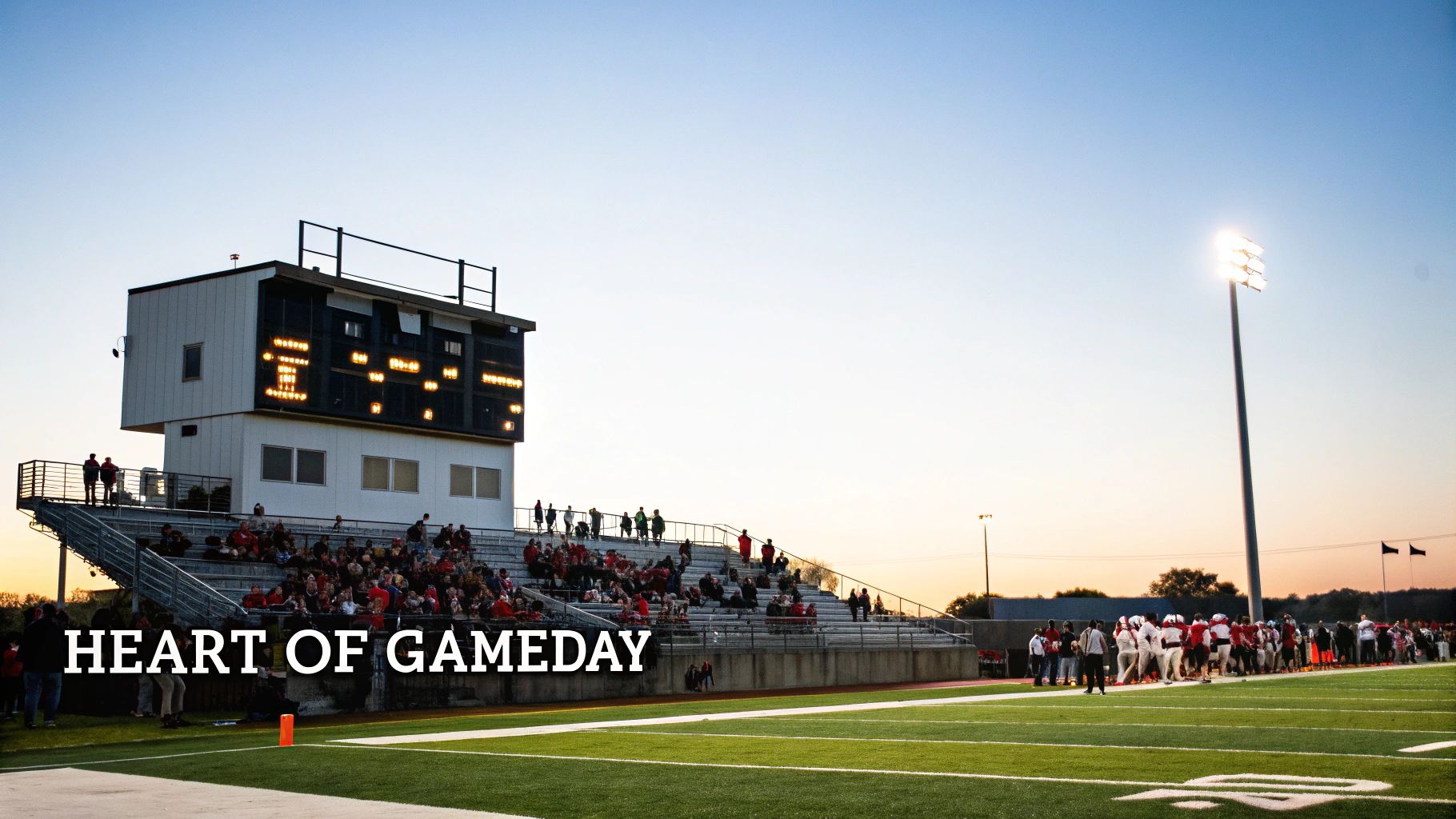
Just think about the most electric moments under those Friday night lights. The roar of the crowd after a last-second touchdown. The collective gasp during a nail-biting replay. The cheer that erupts when a local sponsor’s ad flashes across the screen. At the center of it all is the scoreboard, the silent narrator of every dramatic play and emotional peak.
Choosing the right high school football scoreboard is a massive decision, one that ripples out to affect everything from fan engagement to your school’s bottom line. It’s an investment not just in a piece of equipment, but in the pride and spirit of your entire athletic program.
This guide is your complete roadmap. We’ll walk you through everything you need to know, whether you're an athletic director, a booster club president, or part of the decision-making team. We'll start with why modern LED scoreboards are the only way to go and then dive into the key features that really make a difference.
A modern scoreboard does way more than just track points and time. It’s an information source, an engagement machine, and a powerful revenue generator all in one. The best ones nail all three, creating a professional and immersive experience that makes everyone feel like they’re at a big-time game.
Here’s what a great scoreboard brings to your stadium:
The ability to update information in a flash is everything. Back in 1927, Haven High School in Kansas famously beat Sylvia with an unbelievable score of 256-0. Imagine the energy in that stadium as the score just kept climbing! A display has to keep up.
With over 1 million boys playing high school football every year, stadiums need technology that can clearly show live stats and prevent any confusion, especially in those high-scoring nail-biters. You can read more about some of the highest-scoring games ever on MaxPreps.com.
Choosing the right scoreboard is an investment in your school's brand and community. It reflects the pride you have in your students, athletes, and supporters, creating a gameday environment that rivals larger venues.
Getting this foundation right empowers you to understand not just what to buy, but why it’s such a critical investment for your school's future. You can check out a gallery of real-world projects to see how other schools have completely transformed their stadiums.
When you're picking out a high school football scoreboard, the technology behind the display is easily the most important decision you'll make. Sure, older systems like incandescent bulbs or those clunky flip-discs had their day, but modern LED (Light Emitting Diode) technology is the undisputed champ for a reason: clarity, reliability, and sheer versatility. Getting this choice right lays the foundation for every single gameday experience for the next decade, if not longer.
Forget the old scoreboards that were basically just giant light bulb arrays. Today’s LED displays are more like massive, super-rugged television screens. They’re built from thousands of individual light-emitting diodes that work in harmony to create bright, crisp, and dynamic images. This leap from simple numbers to full-motion video is what separates a basic score-keeper from a true fan engagement hub.
The term pixel pitch might sound a bit technical, but it’s a straightforward idea that directly affects how sharp your scoreboard looks to the fans in the cheap seats and the ones in the front row. Think of it like the resolution on your TV—the smaller the pixel pitch number, the closer the individual LEDs are packed together. This density creates a much smoother, more detailed picture.
A lower pixel pitch (say, 10mm) is perfect for displays where fans are sitting closer, because it produces a seamless, high-definition image. But for a huge football stadium where your closest fan might be 50 feet away and the furthest is way up in the bleachers, a slightly larger pixel pitch (like 16mm or 20mm) is often the sweet spot. It delivers fantastic clarity from a distance without the extra cost of a super-fine pitch you don't really need for faraway viewing.
To put it simply:
Ever tried to see your phone screen in the blazing midday sun? That fight for visibility is exactly what a high school football scoreboard is up against during a Saturday afternoon game. This is where brightness, measured in nits, becomes absolutely critical.
A nit is just a standard unit of how much light a screen puts out. For an outdoor scoreboard to be seen clearly on the sunniest of days, it needs a seriously high nit rating.
An indoor TV typically has a brightness of around 250-350 nits. A quality outdoor LED scoreboard, however, requires a rating of at least 5,000 nits to compete with direct sunlight, with many top-tier models boasting 7,000 nits or more.
This level of brightness guarantees that every score, replay, and ad is vibrant and easy to read, no matter the weather or time of day. It’s a non-negotiable feature for any outdoor venue that wants to give its community a professional-level viewing experience. When you're comparing models, the nit rating is one of the first specs you should look for.
Before we move on, let's quickly stack up the old versus the new. It's one thing to say LED is better, but seeing the specs side-by-side really drives the point home.
| Feature | LED Scoreboards | Incandescent Bulb Scoreboards | Flip-Disc Scoreboards |
|---|---|---|---|
| Visibility & Brightness | Excellent in all conditions, including direct sunlight (5,000+ nits) | Poor in daylight, prone to glare, visible hotspots | Very poor in low light, completely unlit at night |
| Content Capability | Full-motion video, animations, graphics, live feeds, text | Basic numbers and letters only | Basic numbers and letters only |
| Energy Consumption | Extremely low, highly efficient | Very high, significant operational cost | Very low, but limited by mechanical function |
| Lifespan | 100,000+ hours | 2,000 – 5,000 hours per bulb | 10+ years, but prone to mechanical failure (sticking discs) |
| Maintenance | Minimal; occasional module replacement | Constant; frequent bulb replacement is costly and time-consuming | Moderate; mechanical parts can jam from dust, ice, or wear |
| Viewing Angle | Wide (typically 140° or more) | Narrow, visibility drops off-center | Very narrow, almost unreadable from the side |
| Initial Cost | Higher | Lower | Lower |
| Long-Term Cost | Lowest due to low energy use and minimal maintenance | Highest due to energy bills and constant bulb replacement | Low, but repair costs for mechanical parts can add up |
As you can see, while the upfront cost of older tech might seem appealing, the long-term operational costs and limited functionality make modern LEDs the clear winner for any serious program.
Beyond the immediate "wow" factor, LED technology brings huge long-term benefits to the table. LEDs use dramatically less power than old incandescent bulbs—often up to 80% less—which translates into massive savings on electricity bills over the scoreboard's life.
On top of that, they're incredibly durable, with a typical lifespan of 100,000 hours or more. That means you can expect over a decade of reliable service with very little maintenance, since there are no bulbs to burn out and constantly replace. This rock-solid reliability and low cost of ownership make a modern LED scoreboard a smart financial investment for any school. If you want to dive deeper, you can learn more about the specifics of digital outdoor signage and the technology that makes it all work.
Let's be honest: a modern high school football scoreboard is so much more than a place to check the time and score. It’s the central nervous system of your gameday atmosphere. It's the tool that turns a regular game into an electrifying event that students, parents, and the whole community will talk about for weeks.
The right features don't just display information; they create moments, build hype, and even unlock new financial opportunities for your school. Moving beyond just the numbers is what separates a good gameday from a great one. While the score, time, down, and distance are the foundation, today's LED displays offer dynamic capabilities that used to be reserved for college or pro stadiums.
The most impactful scoreboards today are the ones that blend essential game data with rich, multimedia content. This combo ensures everyone, from the die-hard fan who never misses a play to the casual attendee, is locked into the action.
Here are the game-changing capabilities you should be looking for:
These aren't luxuries anymore; they are the new standard for creating an immersive and memorable gameday. At the heart of it all is LED technology, which delivers the superior clarity, versatility, and long-term value you need.
This diagram breaks down the core benefits that modern LED tech brings to the table.
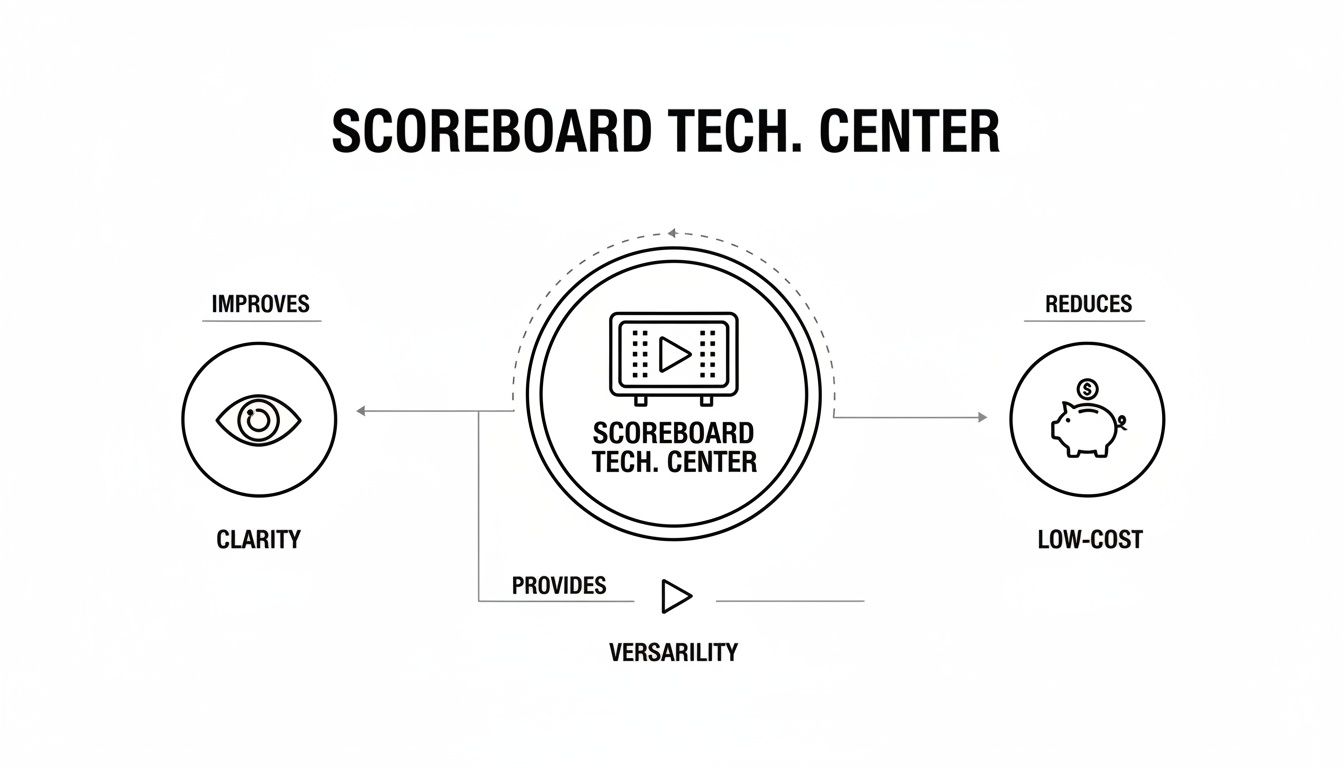
As you can see, the versatility of LED tech is what makes dynamic content possible, while its clarity ensures everyone has a great view and its low operational costs provide real long-term value.
Perhaps the single biggest leap forward in scoreboard tech is the ability to generate serious revenue through Digital Out-of-Home (DOOH) advertising. Think about it: your scoreboard is prime real estate, and local businesses are always looking for ways to reach the captive audience packed into your stadium every week.
By selling sponsorship packages, your scoreboard can quickly become a self-funding asset. A state-of-the-art display from a provider like Smart LED Inc. is built to support these DOOH features, making it simple to schedule and run ads for local partners.
Think of your scoreboard as a year-round digital billboard. It can generate income not just during football season but by advertising school events, community notices, and sponsor messages 365 days a year.
This consistent revenue stream can help pay for the scoreboard itself, support other athletic programs, or even fund academic needs. Scoreboards have been capturing incredible moments for over a century. In fact, on September 28, 1912, Muskegon High from Michigan beat Hastings Square 216-0 in a game where one player scored nine touchdowns. You can find more incredible high school football records on Maxpreps.com to see just how wild the history of the sport is.
Schools all over the country are already using these features to build a professional-level gameday production. Picture a typical Friday night game unfolding like this:
This level of production creates an experience that keeps fans coming back, deepens community ties, and attracts valuable sponsorship dollars. When you choose a scoreboard with these advanced features, you're not just buying equipment; you're investing in your school's spirit and its financial future.
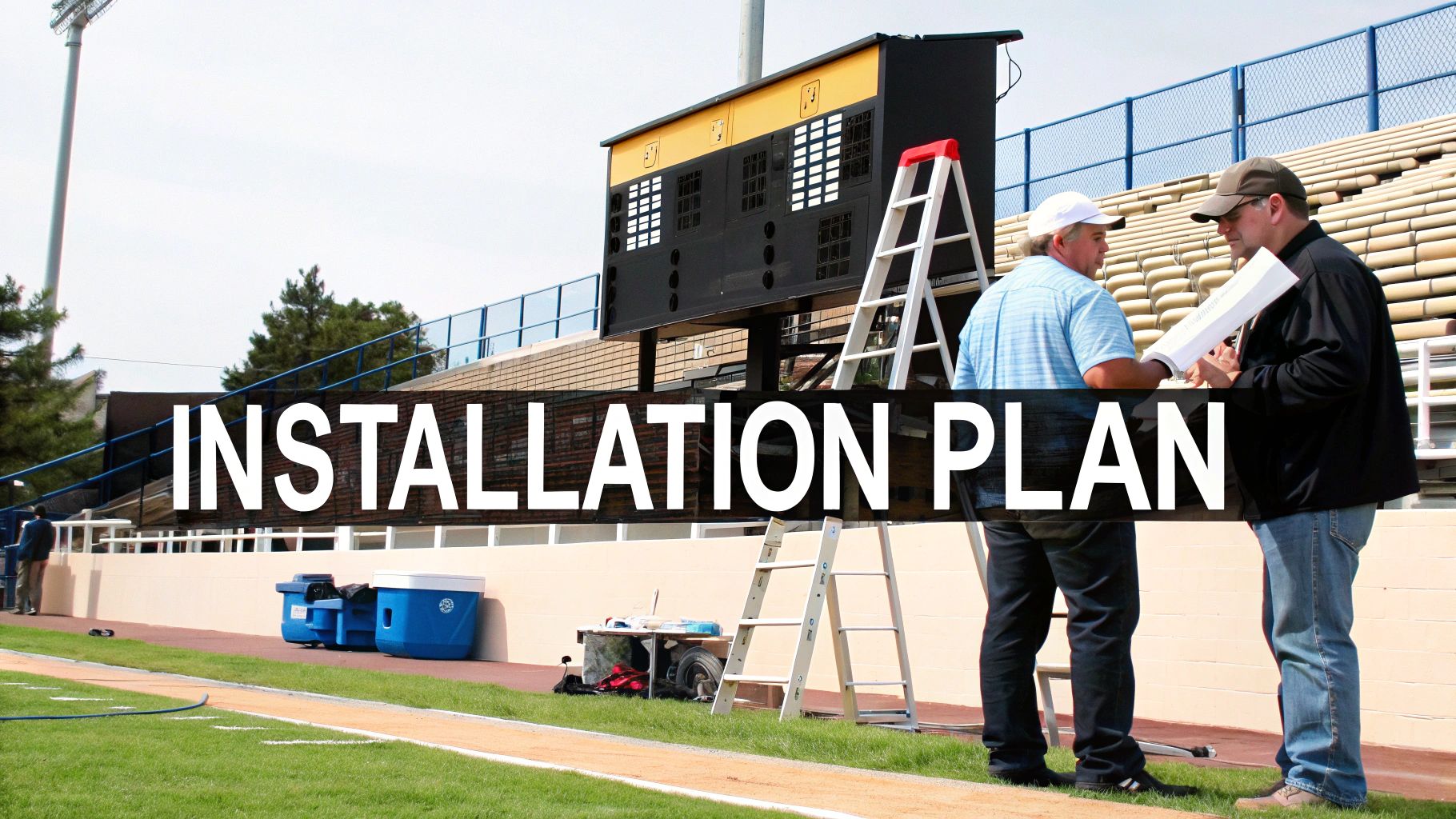
A stunning new high school football scoreboard loaded with all the bells and whistles is a fantastic upgrade, but its real impact is only as good as its installation. Proper planning is what separates a gameday centerpiece from a costly, frustrating mistake. This is where you draw the blueprint for success—long before a single bolt gets tightened.
Think of it like building a house. You’d never pour a concrete foundation without knowing where the walls are going or how the plumbing will run. It’s the same deal with a scoreboard. You need a detailed plan that covers everything from the best viewing angles for fans to the unseen electrical work that powers the whole show.
The first question everyone asks is, "How big does it need to be?" The answer isn't just about what you can afford; it's about geometry. You need a display that’s big enough for the fan sitting in the absolute worst seat to clearly read the score and enjoy the replays.
Here’s a simple rule of thumb we use in the field. First, measure the distance from where the scoreboard will be to the farthest seat in your stadium. Then, plug it into this formula:
Farthest Viewing Distance (in feet) / 100 = Minimum Display Height (in feet)
So, if your farthest bleacher is 500 feet away, you’ll want a display that’s at least 5 feet tall. This is a great starting point to make sure text and numbers are readable from every single seat, giving the whole crowd an equal experience.
Picking the right location is about more than just finding an empty patch of ground. It requires a real site analysis to make sure visibility is great and you’re not fighting against Mother Nature. The goal is simple: a clear, unobstructed view for every fan.
Before you plant a flag, think through these critical factors:
Once you’ve got the perfect spot scouted, it’s time to plan the nitty-gritty: the physical and electrical infrastructure. Modern high school football scoreboards are heavy, complex pieces of tech. They demand serious support and a whole lot of power.
This is the phase where you absolutely need to bring in the pros. An engineer has to sign off on the plan, verifying that the ground or existing structure can handle the weight of the display and its mounting frame.
Here’s what that infrastructure looks like:
This kind of careful planning ensures your scoreboard doesn't just look amazing on opening night, but keeps running reliably for the next decade or more. It’s about protecting your investment and making sure the heart of your gameday experience is built on a foundation that’s solid, safe, and built to last.
A new high school football scoreboard is a massive investment, no doubt about it. But it's also one of the most achievable big-ticket items on a school's wish list if you build the right financial playbook. This isn't about hoping a huge check just appears in the school budget. It’s about creating a smart, multi-pronged strategy that can turn a major capital expense into a self-sustaining asset for your entire community.
First things first, you need to understand the total cost of ownership. This goes way beyond the sticker price. You have to factor in shipping, professional installation, potential structural engineering fees, any necessary electrical upgrades, and software. A realistic budget sees these costs coming from a mile away, so there are no ugly surprises down the road.
Once you've got a solid number to aim for, it's time to rally the troops—your booster club and the local community are your most passionate advocates. Sure, car washes and bake sales have their place, but a project of this size needs bigger, more engaging campaigns.
You have to think outside the box with ideas that create a real sense of ownership among donors. These campaigns don't just raise cash; they build a groundswell of excitement for the new jewel of the stadium.
While grassroots fundraising brings the passion, you'll need larger funding sources like grants and corporate sponsorships to do the heavy lifting. A brand-new high school football scoreboard is one of the most visible assets in town, which makes it a golden opportunity for local businesses.
Start making a list of businesses in your area that would kill to get their name in front of the hundreds or thousands of people packed into the stands every week. The real key here is to think beyond a simple one-time donation and offer multi-year sponsorship packages.
A multi-year sponsorship deal creates a predictable, steady stream of revenue that can literally pay for the scoreboard over time. In exchange, sponsors get prime ad placement during games and other events, effectively turning your scoreboard into their most valuable marketing platform.
These partnerships are what transform the scoreboard from a cost center into a true revenue generator. The ultimate goal is to lock in enough long-term commitments to not only cover the initial purchase but also fund the ongoing operational and maintenance costs. You can get a better handle on these long-term expenses with our guide to understanding outdoor LED sign costs.
A modern scoreboard does so much more than keep score; it becomes a chronicler of history. For decades, these displays have captured unforgettable moments, like when Dobyns-Bennett High School beat Norton Beach 193-0 way back in 1926. Investing in a quality scoreboard ensures your school is ready to capture its own legendary moments for the next generation of players and fans.
Making the jump to a new high school football scoreboard is a big deal. It’s a major project, and chances are, it's going to be the crown jewel of your stadium for the next decade or more. So, of course, you've got questions.
To help you feel confident moving forward, we've pulled together some of the most common questions we hear from athletic directors, booster clubs, and school administrators. Think of this as your final gut check, covering the real-world concerns about longevity, upkeep, and just how easy these things are to run.
A well-built outdoor LED scoreboard is engineered to take a beating and keep on shining. You can expect about 100,000 hours of life from the LED diodes themselves. In the real world, that shakes out to 10-12 years of rock-solid performance, even if you’re using it constantly for football, other sports, and community events.
Why so long? It's a combination of things. The guts are made from industrial-grade parts built for constant use, and tough weatherproofing seals keep everything from rain and humidity to blistering heat at bay. Plus, smart cooling systems stop overheating in its tracks—a major killer of older electronic displays.
This isn't your grandfather's scoreboard. Forget the days of constantly swapping out expensive incandescent bulbs. Modern LEDs fade incredibly slowly over their long lifespan. Your investment will stay bright and sharp on gameday for a decade or more with almost no effort.
You're not just buying a scoreboard; you're locking in a long-term asset for your entire athletic program.
Here’s the great news: modern LED scoreboards are designed to be incredibly low-maintenance. The era of rolling out a cherry picker to replace a dozen burnt-out bulbs before every season is officially over. Your maintenance checklist is short and sweet.
The main tasks are pretty simple:
Beyond that, most systems come with diagnostic software that keeps an eye on things for you. It monitors the health of the individual LED modules and can often flag a small issue before it ever becomes a game-day headache. A quick pre-season check of the connections and a software update is usually all it takes to get ready for a flawless season.
Absolutely. In fact, if you're only using it for football, you're missing out on most of its value. Treating a modern scoreboard as a football-only device is like buying a supercomputer just to use the calculator.
Your new high school football scoreboard can—and should—become a hub for the whole community, all year long. Think about it:
When you use it this way, the scoreboard becomes woven into the fabric of your school and community.
The technology inside a video scoreboard is complex, but running it is a different story. The control systems are designed from the ground up to be simple and intuitive. You can run the whole show from a standard laptop in the press box—no need to hire a team of video engineers.
The software makes it easy. Operators can fire off pre-loaded graphics, sponsor ads, player hype videos, and instant replays with a single click. You can even build a "game script" ahead of time, so putting on a professional-looking production is as simple as clicking "next" when the moment is right.
Training for your staff or a few responsible student volunteers is a breeze. Most scoreboard providers include hands-on training and support to make sure your team feels ready for the first game. Honestly, a couple of hours of practice is usually all it takes to get the hang of running a show that will blow your fans away.
Ready to bring a professional gameday experience to your stadium? At Smart LED Inc., we are a factory-direct leader in high-quality, durable outdoor LED scoreboards that fit any budget. By cutting out the middleman, we deliver superior technology and support at a lower cost, helping schools like yours build unforgettable community assets. Explore our solutions and see how we can transform your Friday nights.
Picture this: you take the flash and spectacle of a Times Square billboard, slap it on the back of a truck, and send it wherever
A wall of TV screens is exactly what it sounds like: a big, impressive display made by tiling multiple TVs together so they act like

Picking the right displays for shows can feel like a high-stakes guessing game. Get it right, and you create an immersive world that captivates your
"*" indicates required fields